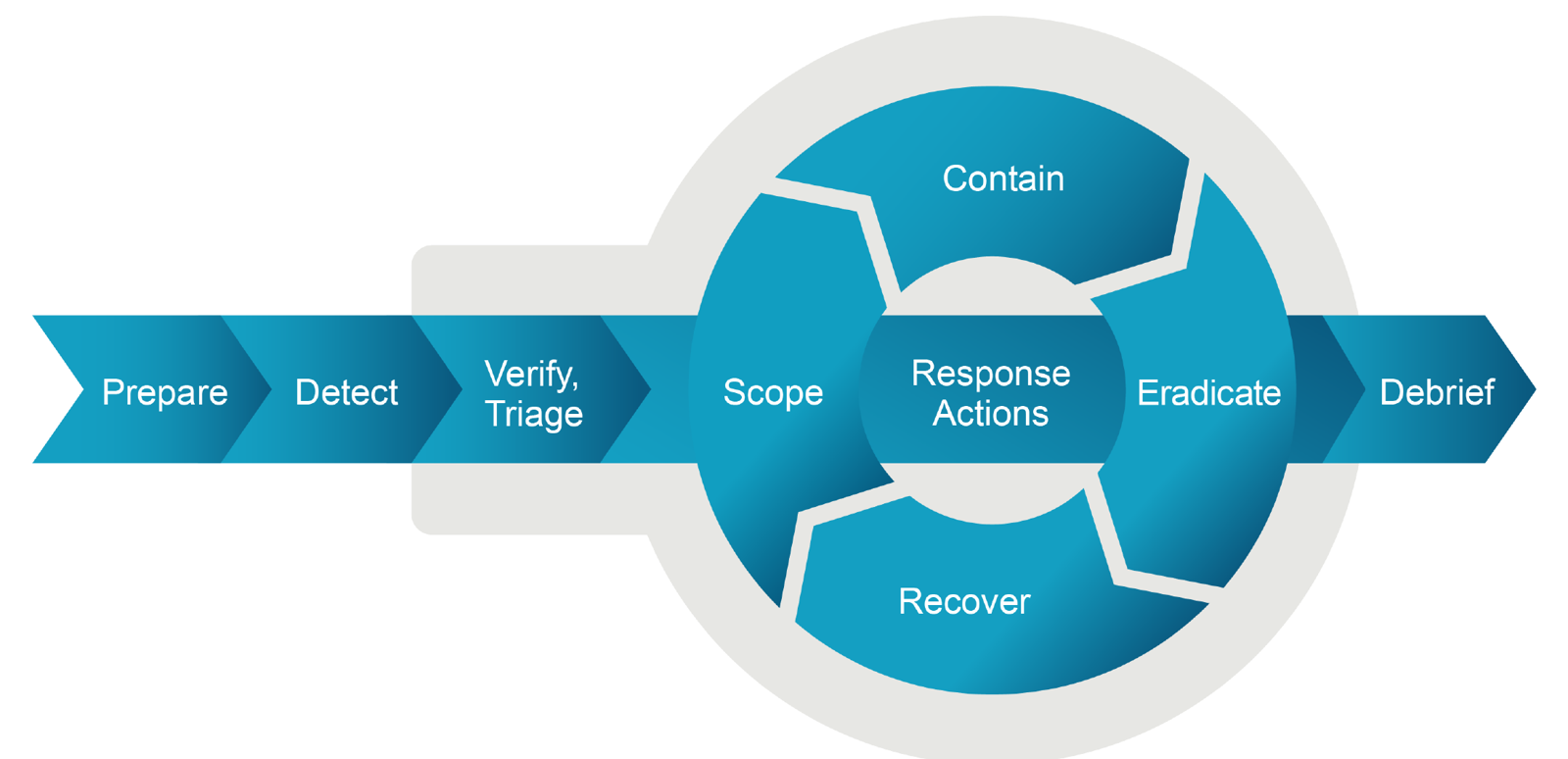
Incident Response Frameworks: Four Models, One Path for This Blog
A high-level look at the four incident response models worth knowing (NIST SP 800-61r3, ISO/IEC 27035, PICERL and DAIR), and why this blog will follow DAIR, one step at a time.
A high-level look at the four incident response models worth knowing (NIST SP 800-61r3, ISO/IEC 27035, PICERL and DAIR), and why this blog will follow DAIR, one step at a time.
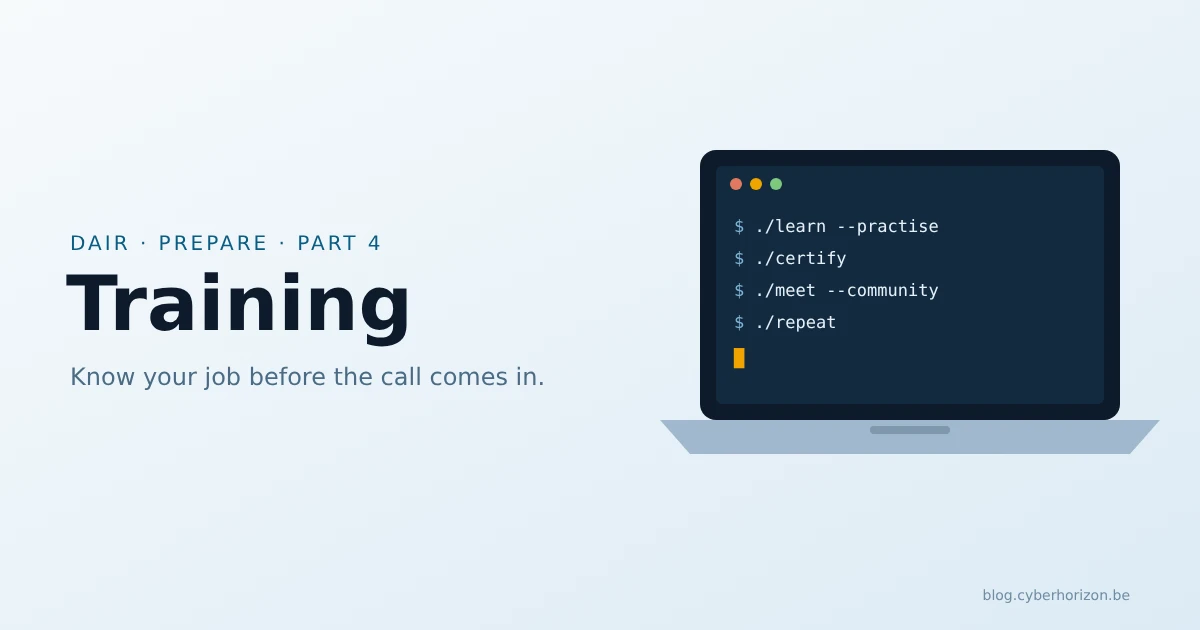
Before detecting anything, we need to know our job. How to find your way in a vast field, then where to train in Security Operations: learning platforms, certifications, conferences and bug bounty.
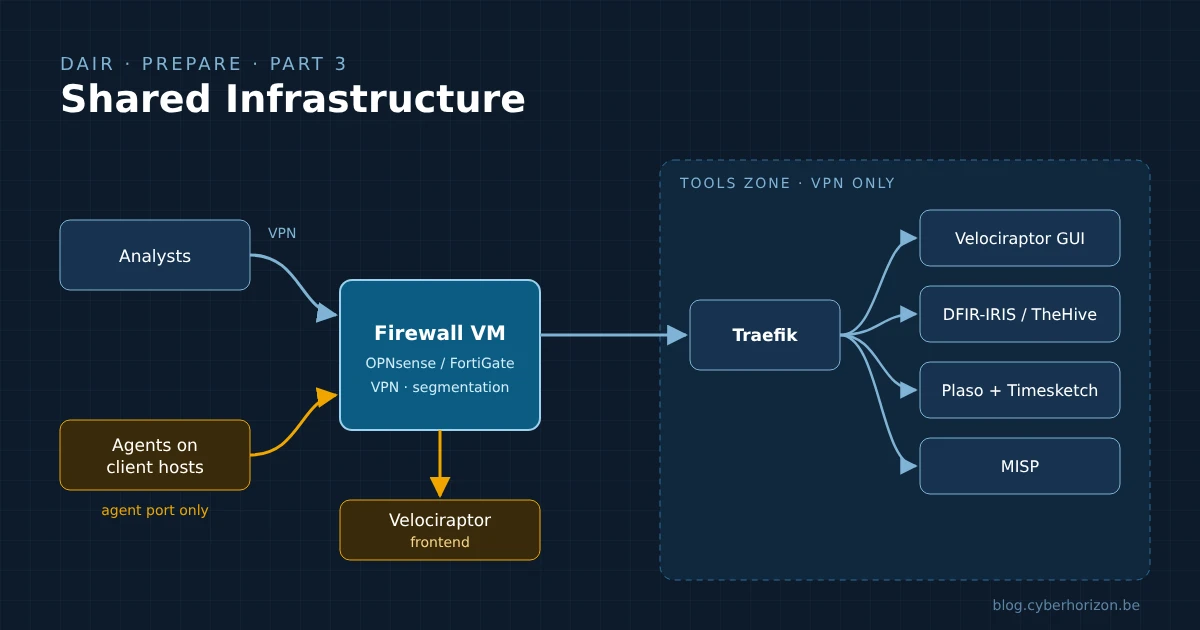
One analyst can work from a laptop. A team needs shared infrastructure: remote collection, case management, a common timeline and threat intelligence, reachable safely and ready before the call comes in.
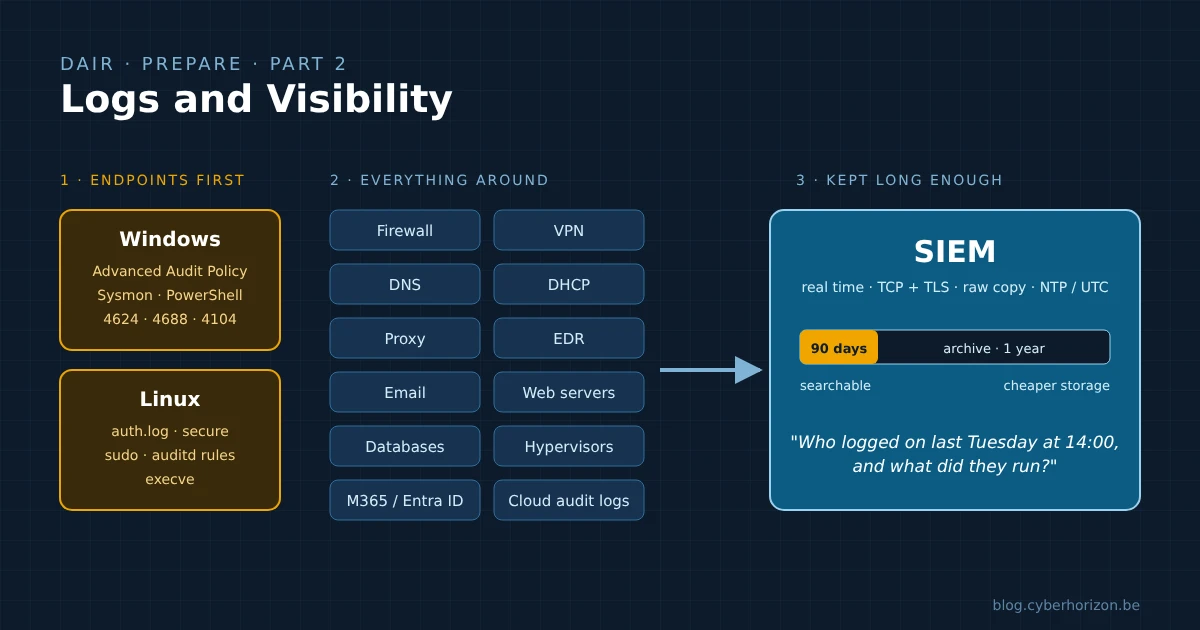
No tool can recover what was never recorded. The logs to enable before an incident, endpoints first, and why a SIEM is what keeps them long enough to matter.
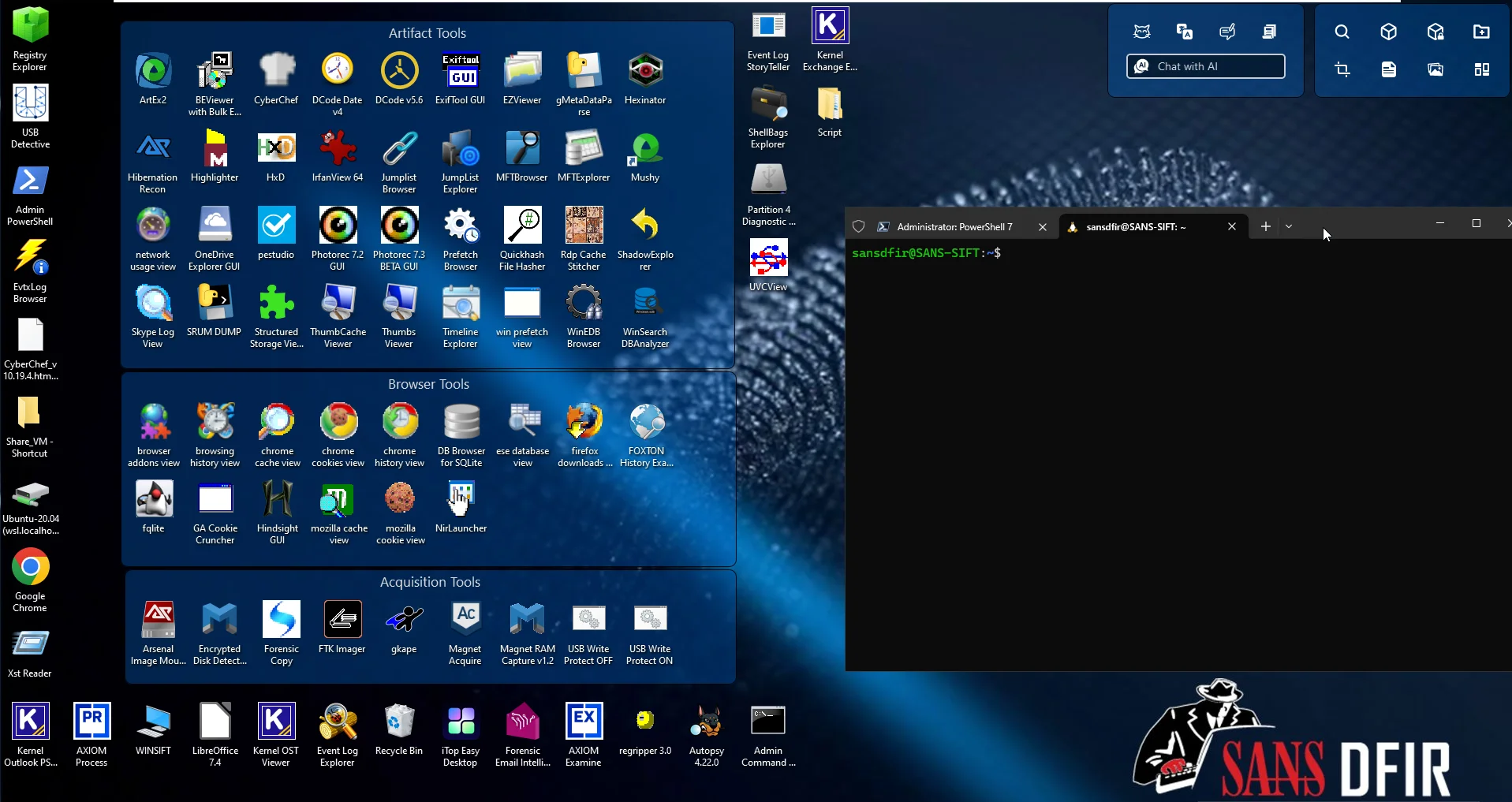
The first DAIR step, from the responder's chair: the collection and analysis tools I keep ready before the call comes in.

Static analysis of a macOS ClickFix chain: obfuscated AppleScript layers, a LaunchAgent loader that reads its C2 from a Polygon smart contract, a password-phishing backdoor and the Essential macOS Stealer modules.